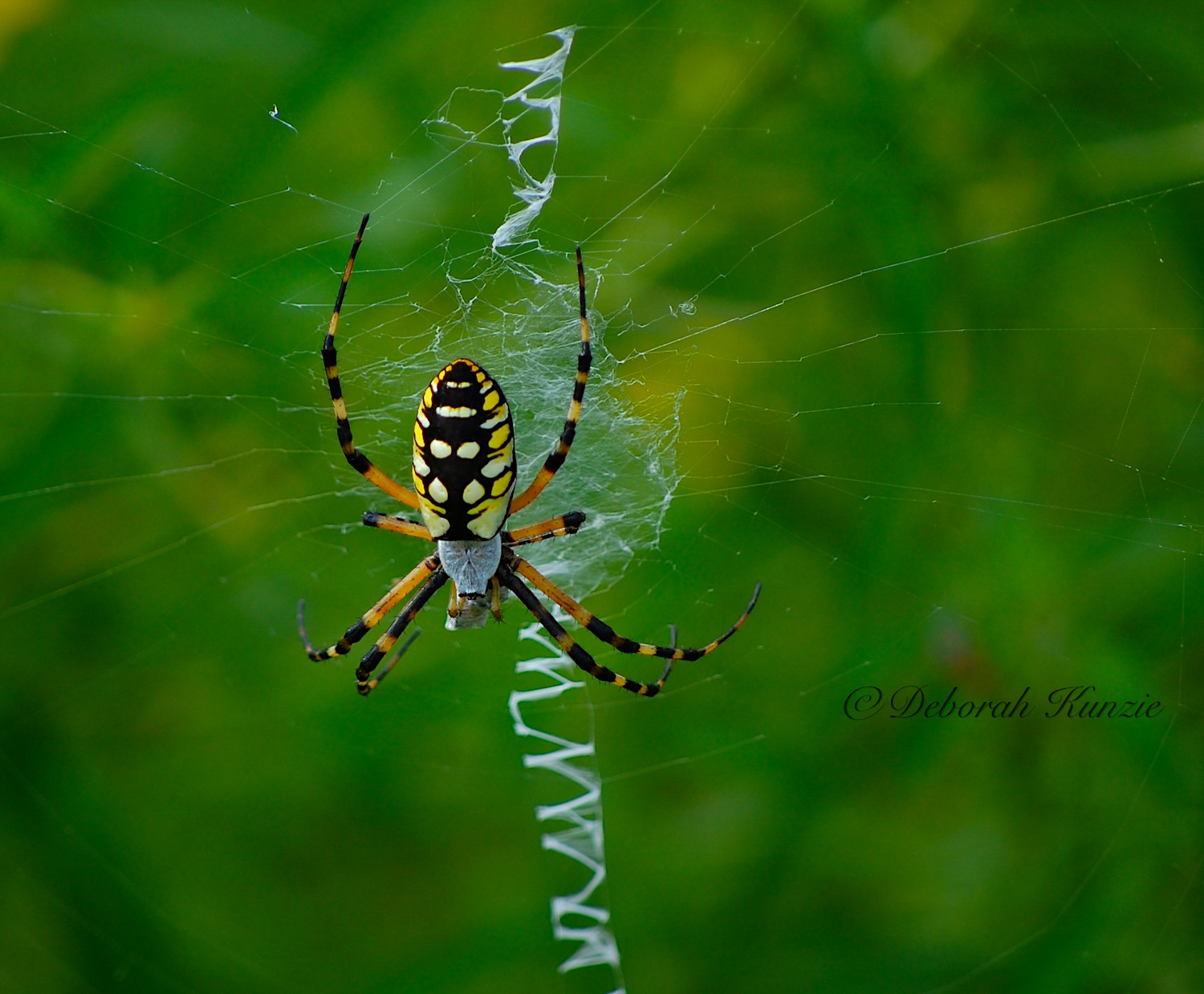
Midsummer in North Florida brings fun time at the beach, cold watermelon, picnics and afternoon thunderstorms, along with the hottest humid air you can imagine that makes it difficult to breathe outside, and none other than the unfortunate presence of insects.
There they are, on the porch, on the walking trails, in the gardens and under the shade trees. Most are equipped to bite, sting, crawl, buzz or drop unexpectedly from a limb overhead.
You can’t pull weeds, walk down a sidewalk, sit out in the afternoon yard to admire your flower gardens or visit with neighbors without the unwelcome intrusion of bugs. After the sun goes down, and the porch light comes on for an hour, you’re soon to be visited by moths, beetles and those ever loving pesky mosquitoes that are at times as big as our State Bird.
However, this is their season and they intend to make full use of it.
Florida has no shortage of insects. The state’s warm climate, long growing season, abundant water and variety of plant life provide food and shelter for thousands of species. Some in fact spend their whole lives in one patch of weeds. Others travel through the air, live beneath bark, burrow into the soil or pass their early days underwater before appearing above it with wings.
Don’t think for one minute as a resident of this glorious sunshine state that your yard or house has been ignored by them. There are plenty of leaf hoppers among the tall grasses, wasps beneath the eaves of the house, caterpillars folded inside leaves and small native bees working the flowers that the larger honeybees passed by. Dragonflies patrol above open ground, and the Cicadas spend years below the surface then climb a tree, shed their old covering then begin making a loud noise, and are seldom seen.
The fire ant has earned its reputation as to why it exists in the first place. Myself, I consider that of the roach to be a disturbing looking creature that has no value whatsoever to its place on earth. But, with all our anxiety over insects many of us know deep down that many of these pesky things serve a greater need. Especially the gardeners and observers of what lies beneath.
The ground, the plants and what we grow is somewhat dependent upon many of these insects. They perform the work necessary to feed the soil and contribute to vegetation growth.
Bees, beetles, moths, butterflies, flies and wasps pollinate flowers. Other insects break down dead plants and animals. Dung beetles bury what livestock leave behind. Ants move soil. Aquatic insects feed fish. Caterpillars, beetles and grasshoppers feed birds, reptiles and small mammals. Without insects, the summer woods would soon become quieter, and not in a pleasant way.
A pair of Carolina wrens raising young may carry hundreds of insects to the nest. Barn swallows take them in flight. Woodpeckers pull grubs from wood. Cattle egrets walk behind mowers because the machinery sends grasshoppers into the open. Nighthawks feed above parking lots in the evening, turning and dipping through clouds of insects drawn by the lights below.
People admire the birds and seldom give much thought to what keeps them alive. A nest full of young birds requires a great deal of food, and much of that food has six legs or more. Even birds commonly associated with seeds depend heavily upon insects while feeding their young. A yard without insects may appear neat, but it offers little to a hungry nestling.
The same caterpillar that chews a leaf may later become a moth that pollinates a flower. The beetle found beneath rotting wood may be helping return that wood to the soil. A wasp carrying a paralyzed caterpillar is stocking food for its young and at the same time, reducing the number of caterpillars in the garden. A cicada remains underground for years, emerges for a few weeks, reproduces and disappears. Nature has assigned several jobs to creatures we usually notice only when they interfere with ours.
We may spray around the house to rid spiders and roaches, screen the windows, treat the fire-ant mounds and slap mosquitoes as required. Some defense is reasonable. However, complete victory is neither possible nor desirable. Florida without insects would also be Florida without many flowers, fish, birds and much of the life that cleans up after everything else.
Fortunately, there is little danger of complete victory, the insects have held Florida together long before our arrival, and so far these pesky parts of creation do not appear interested in leaving.
Written by: Deborah Kunzie author and longtime nature photographer living in North Florida. She writes about birds, wildlife, history and the ordinary things that reward a closer look.


Leave a Reply